All selected workProject 01 / 092018–23
Mobile · Design SystemiOS · Android · Design System · Branding

Ridmik Keyboard

Rebuilt a struggling keyboard from scratch — research, personalization, and a cohesive Android + iOS design system.

10M → 100M+ users · 383k reviews · ~$50k/mo
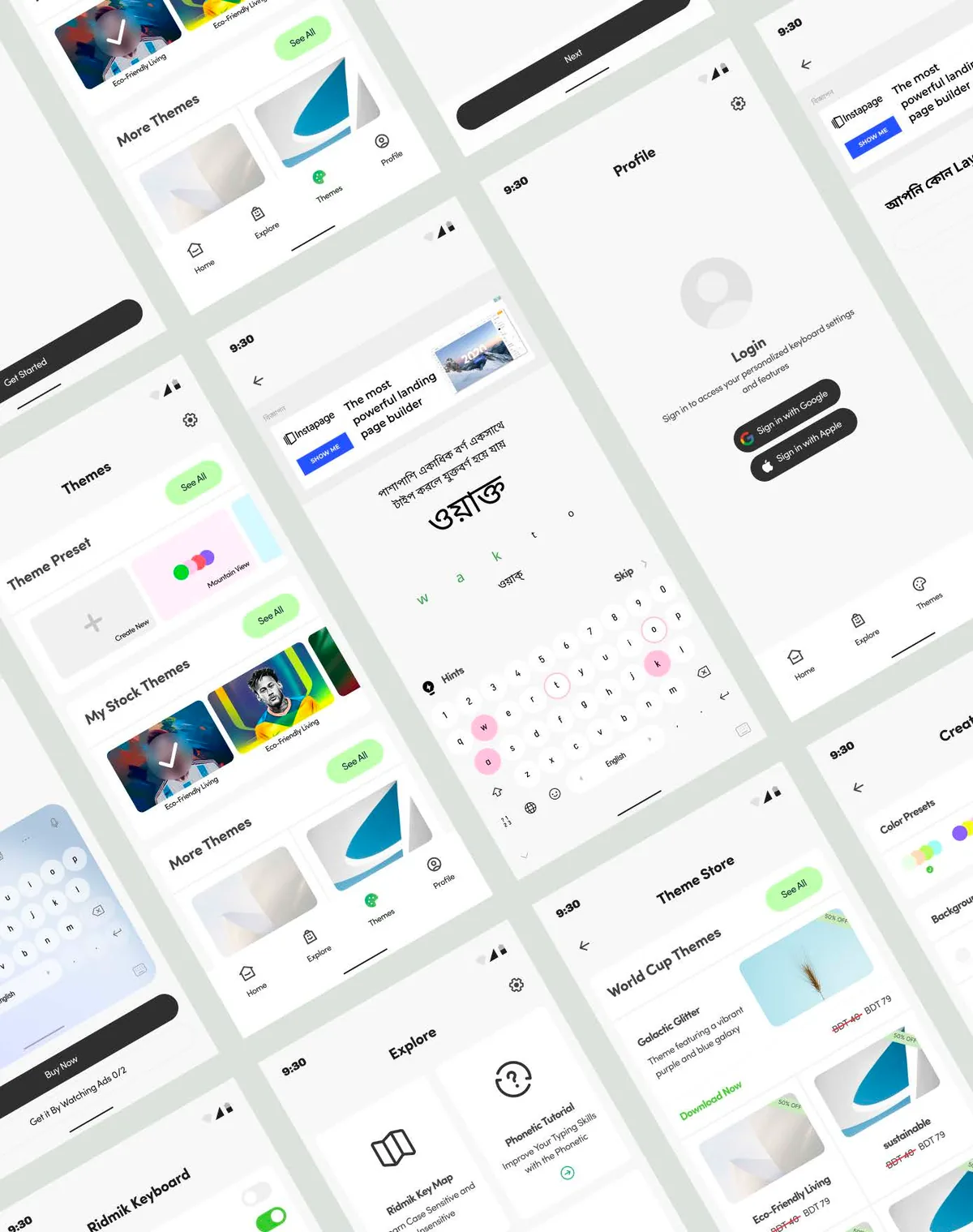
Ridmik Keyboard product interface
Selected case studyScroll to read
01

Overview

Ridmik Keyboard is a user-friendly virtual keyboard built to make mobile typing faster and more personal — with deep customization for millions of users across Android and iOS.

/ Inside the work

From friction to a system that could scale.

01

What needed to change

The problem

  1. 01

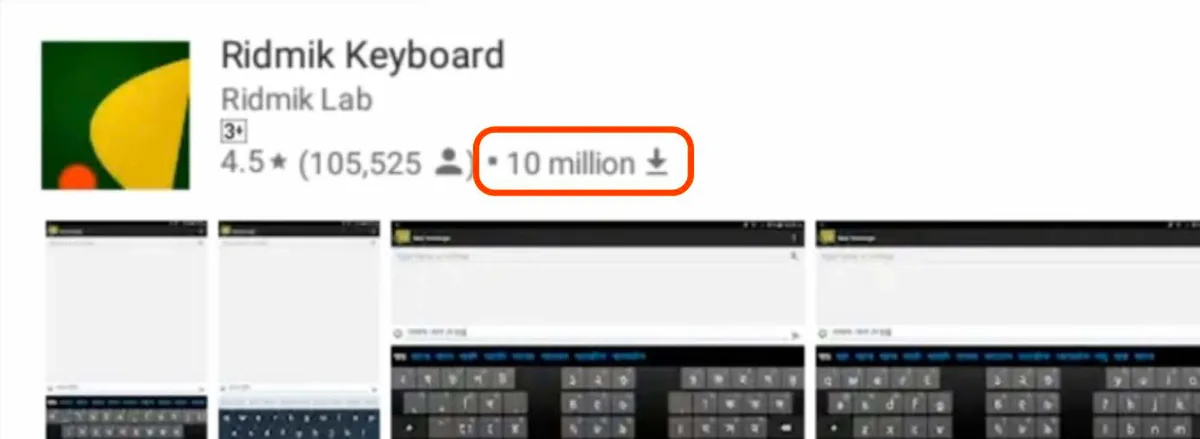
    Poor experience drove attrition — only 10M users by 2018.

  2. 02

    Users wanted far more customization and essential features.

  3. 03

    Image-based keys bloated app size and hurt speed.

  4. 04

    No typing tutorial to onboard new users.
02

Where I contributed

My role

  1. 01

    Ran user research and synthesized feedback.

  2. 02

    Redesigned the keyboard for usability and personalization.

  3. 03

    Built a cohesive design system spanning Android and iOS.

03

How the work moved

The process

  1. 01

    Gathered user feedback and store reviews.

  2. 02

    Created wireframes and prototypes.

  3. 03

    Visual enhancement and systemization.

  4. 04

    Collaborated closely with developers.

  5. 05

    Monitored engagement post-launch.

/ Published work

The work, as it appeared in the wild.

Original project imagery and motion from my Behance and Dribbble portfolio.
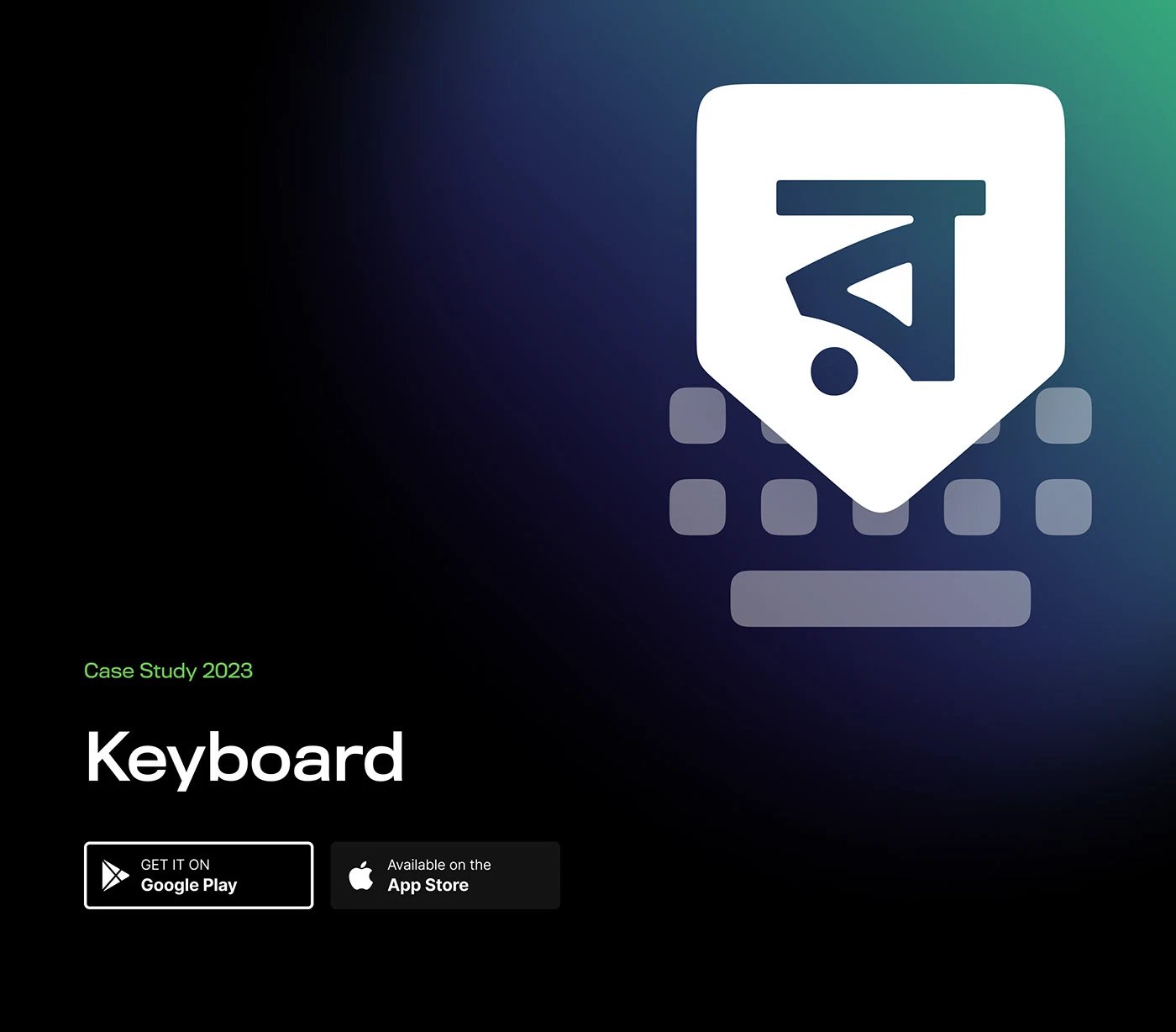
The Next Generation of Keyboard Technology case-study cover
01

The next generation of Ridmik Keyboard

Behance
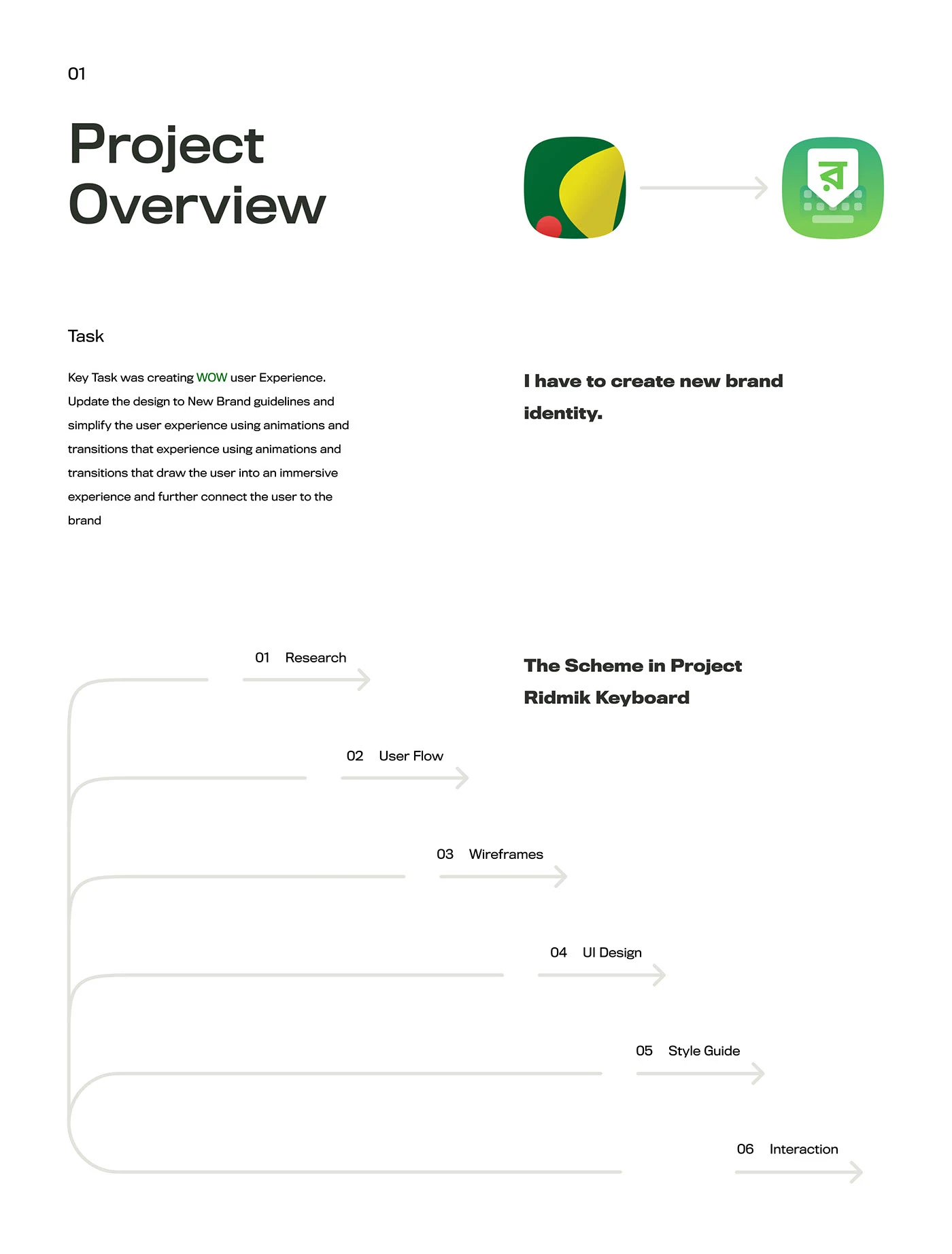
Ridmik Keyboard project overview and design-process board
02

Project overview and design process

Behance

/ The outcome

Design measured by what changed.

01

Grew from 10M to 100M+ users (2018 → 2023).

02

Maintained a 4★ average across 383k reviews.

03

~$50k/mo ad revenue from the expanded base.

10M → 100M+ users · 383k reviews · ~$50k/mo

/ Next project

TicketCo

Open case study